Each fall, all students at Archbishop Stepinac High School prepare a presentation for their English and social studies classes—it’s the first research project of the school year. When students at the private Catholic preparatory high school search key terms of their topic online, an AI overview appears at the top of their results, highlighting various aspects of their specific research question.
Some students pause before copying the outline into a document.
Is this allowed?
It takes effort to turn off AI-generated search overviews or decline offers to research and write one's work. As AI becomes an everyday part of students' academic lives, educators are asking a new question: How can schools embrace the technology without diminishing authentic learning?
Many school district leaders in the region turn to Model Schools, a program of the Lower Hudson Regional Information Center, for help navigating that question. The program offers conversations, presentations and workshops that help school and district leaders integrate educational technology into their classrooms.
"Educators are shifting their energy from being solely vexed by AI—and all the concerns that come with it, including cheating, depersonalization and threats to cognitive development—to learning to live with AI in a way that recaptures learner voice and work ethic," said Leslie Accardo, Model Schools Coordinator for Instructional Technology.
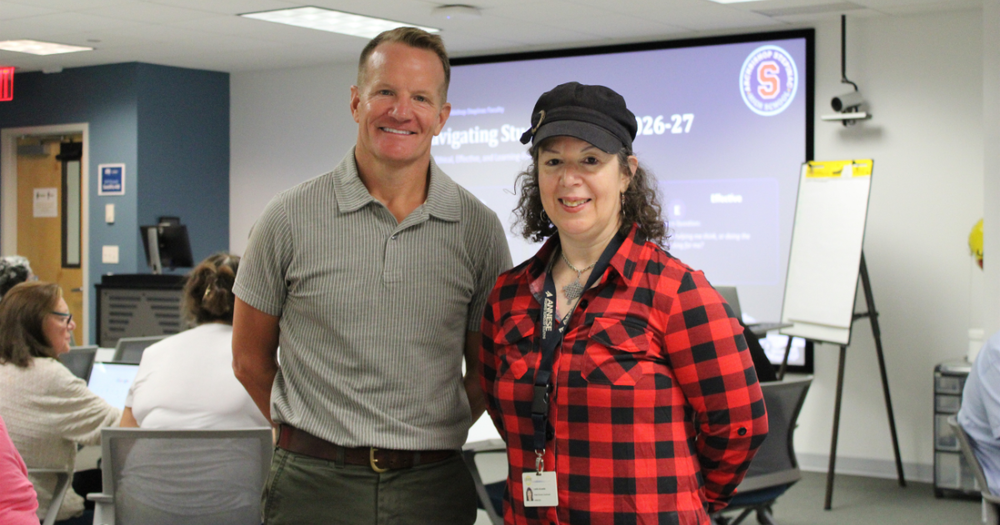
Of the districts and schools that participate in Model Schools, Archbishop Stepinac High School is the only non-public school in the network. The initiative is led by Stepinac's Director of Strategic Planning and Faculty Development, Dr. Todd Maguire, who schedules two professional development sessions for the school’s educators and administrators with Model Schools each year.
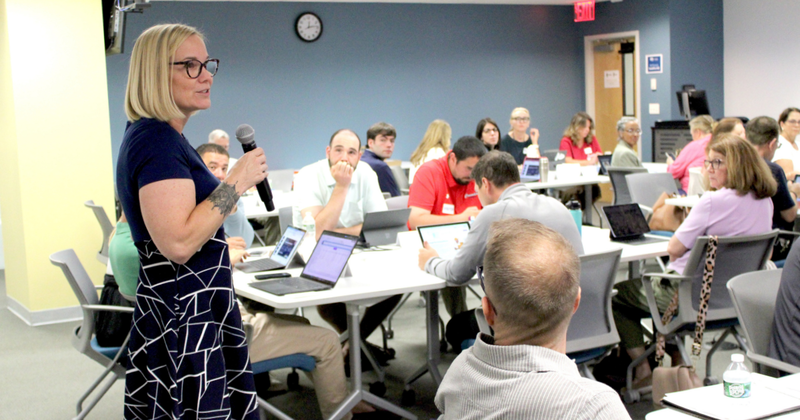
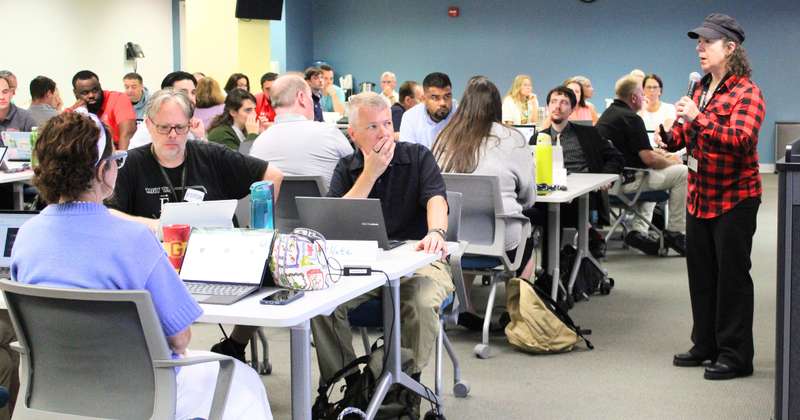
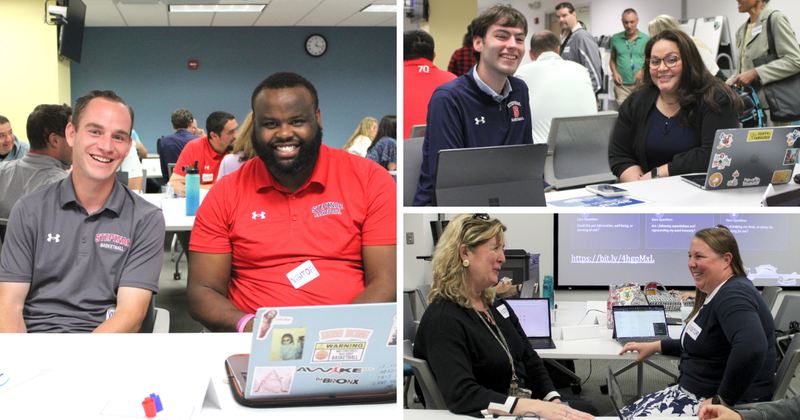
During their September 8 professional development session, Stepinac educators discussed how to navigate students’ use of AI using the guiding question: When does AI support learning, and when does it replace learning?
"A central question for us is whether our use of AI protects and strengthens the deeply human work of teaching, learning, and forming relationships," said Dr. Maguire.
This September, New York City Schools announced a one-year AI moratorium in K-8 schools. With no such decision in Westchester County, many schools, including Stepinac, adopted a formal AI policy, which school leaders describe as a living document that will continue to evolve.
Stepinac’s policy explains that students may use AI to help generate research and organize outlines for essays, projects, and presentations, but all writing must be their own. New this year, instructors will conduct spot checks using Turnitin, a platform that helps identify AI-generated writing.
Yet some of Stepinac's most important responses to AI are not found anywhere in the policy.
The school’s peer mentoring program, available to all juniors and seniors, intentionally pairs upperclassmen with freshmen to build relationships, strengthen leadership, foster belonging, and promote school unity.
"AI can generate answers, but it can't nurture empathy, friendship, or creativity rooted in lived experience," said Dr. Maguire. "Our goal is to promote truth and critical thinking while advancing human relationships."
"Our work at Model Schools is to empower educators to guide students through responsible AI navigation, maintaining high learning standards and robust academic integrity," said Ms. Accardo.